
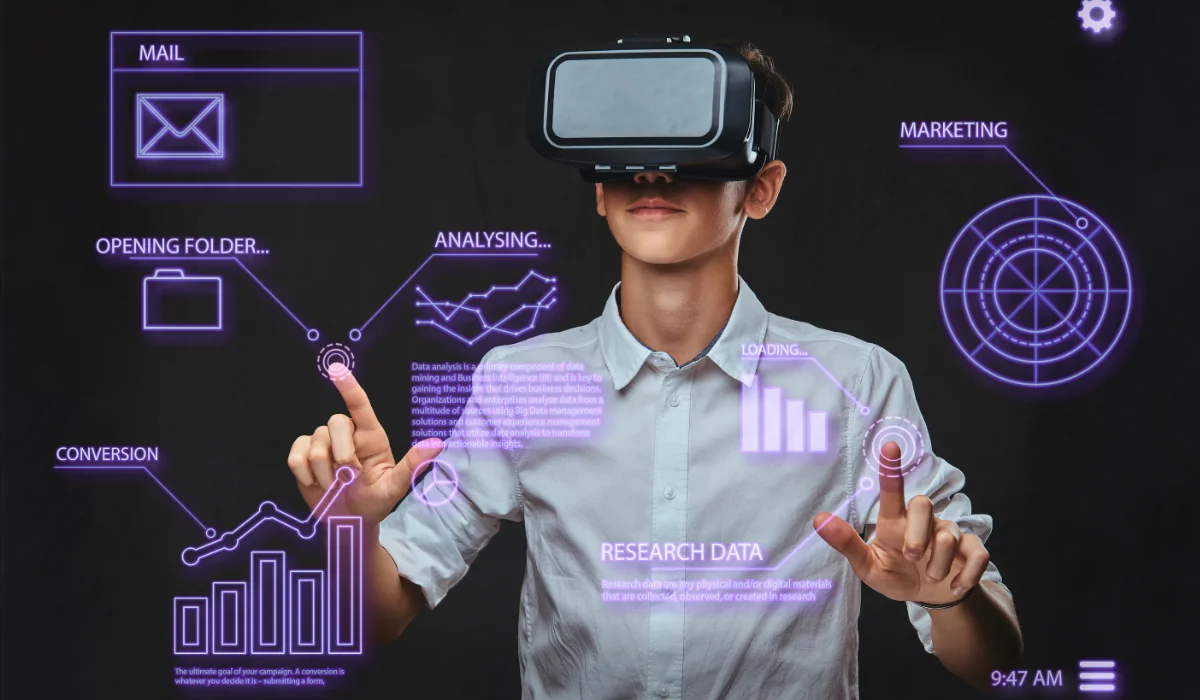
How AI Is Changing Digital Advertising is redefining how brands reach, engage, and convert customers in 2026. Businesses across the USA are using artificial intelligence to automate campaigns, analyze audience behavior, and deliver highly personalized ads. Traditional manual advertising methods are being replaced by data-driven systems that optimize performance in real time. This transformation allows marketers to achieve better results while reducing wasted ad spend.
Smarter Audience Targeting and Segmentation
AI analyzes massive volumes of user data to identify patterns in behavior, interests, and buying intent. This enables advertisers to segment audiences with far greater accuracy than traditional methods. Campaigns reach people who are most likely to convert, improving return on investment.
Advanced targeting also adapts dynamically as user behavior changes. Instead of static demographics, AI continuously refines audience groups. This precision targeting is a major reason how AI is changing digital advertising.
Automated Ad Creation and Optimization
AI now assists with creating ad copy, visuals, and headlines based on performance data. Marketers can launch multiple variations instantly and allow AI to select the highest-performing versions. This reduces creative workload while increasing campaign effectiveness.
Optimization happens in real time, adjusting bids, placements, and messaging automatically. Businesses no longer rely on slow manual testing cycles. Automation clearly demonstrates how AI is changing digital advertising.
Personalized Customer Experiences at Scale
Personalization has become a core expectation in digital advertising. AI tailors ads to individual users based on browsing history, preferences, and engagement patterns. Customers see more relevant content, leading to higher click-through and conversion rates.
This level of personalization was previously impossible at scale. Now brands deliver customized messages across multiple channels instantly. Personalized experiences highlight how AI is changing digital advertising for modern consumers.
Predictive Analytics and Performance Forecasting
AI-powered predictive analytics helps marketers anticipate customer actions and campaign outcomes. Businesses forecast sales trends, optimize budgets, and identify high-value audiences before launching ads. This minimizes risk and improves planning accuracy.
Real-time dashboards provide actionable insights into performance metrics. Advertisers adjust strategies quickly based on live data. Predictive intelligence plays a central role in how AI is changing digital advertising.
Real-Time Bidding and Budget Management
AI manages ad bidding processes by evaluating thousands of variables in milliseconds. Budgets are allocated automatically to channels and audiences delivering the best results. This eliminates inefficient spending and maximizes conversions.
Real-time adjustments ensure campaigns stay competitive without manual intervention. Marketers gain better control over costs while improving outcomes. Smart bidding systems further explain how AI is changing digital advertising.
Fraud Detection and Ad Quality Control
Digital ad fraud has been a persistent challenge, but AI now detects suspicious activity instantly. Automated systems identify fake clicks, bots, and low-quality placements. This protects advertising budgets and improves campaign transparency.
AI also evaluates ad quality and placement relevance. Brands maintain higher standards while avoiding wasted impressions. Fraud prevention is another powerful example of how AI is changing digital advertising.
Conclusion
How AI Is Changing Digital Advertising reflects a shift toward automation, personalization, predictive analytics, and smarter budget management. Businesses benefit from higher efficiency, better targeting, and improved customer engagement. AI reduces manual effort while delivering data-driven results at scale. Companies that embrace AI-powered advertising in 2026 gain a strong competitive advantage in an increasingly crowded digital marketplace.
FAQs
How does AI improve digital advertising performance?
AI improves performance by automating targeting, optimizing campaigns in real time, and analyzing user behavior. This leads to higher engagement, better conversions, and reduced advertising waste.
Is AI replacing human marketers in advertising?
AI supports marketers rather than replacing them. It handles repetitive optimization tasks while humans focus on strategy, creativity, and brand storytelling.
Can small businesses benefit from AI-driven advertising?
Yes, small businesses gain access to advanced targeting and automation tools without large budgets. AI helps them compete with bigger brands by improving efficiency and reach.
What role does personalization play in AI advertising?
Personalization allows brands to deliver relevant ads to individual users. AI analyzes data to customize messaging, increasing customer engagement and conversion rates.
Is AI advertising expensive to implement?
Most AI advertising tools use flexible pricing models. Businesses can start small and scale gradually, often recovering costs through improved campaign performance.