
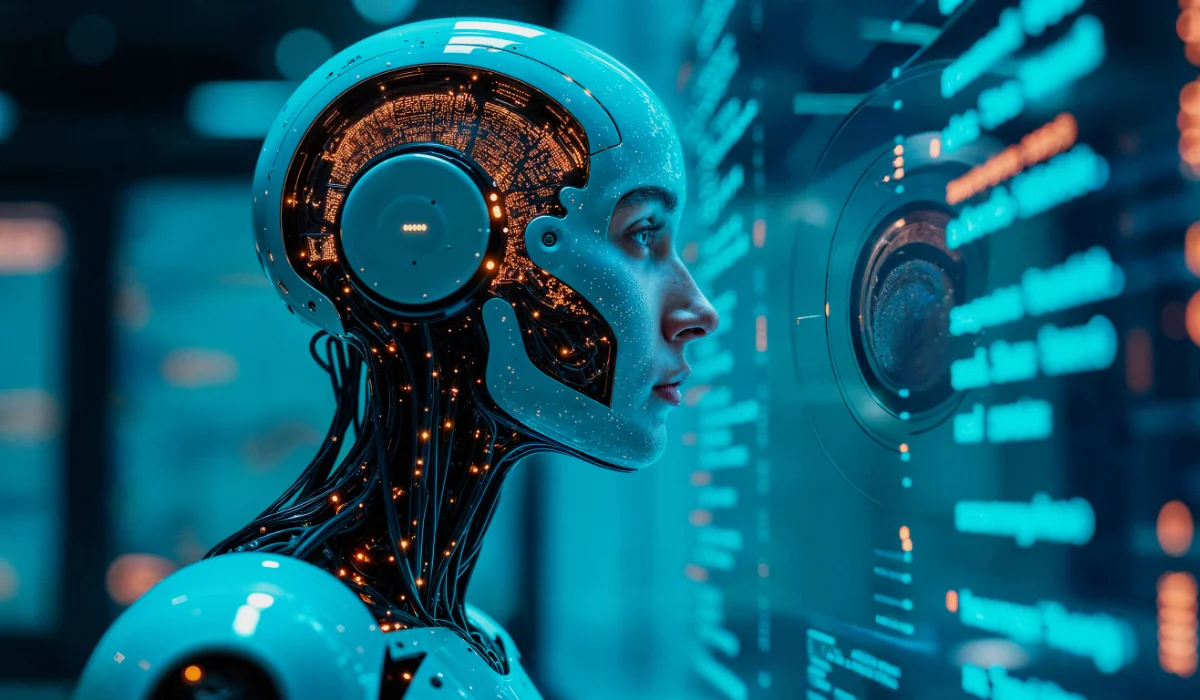
How AI Is Used in Cybersecurity Defense is becoming a critical topic as cyber threats grow more advanced in 2026. Businesses across the USA are turning to artificial intelligence to protect sensitive data, prevent attacks, and reduce response times. Traditional security systems can no longer keep up with modern threats on their own. AI-driven defense now plays a central role in keeping organizations secure and operational.
Real-Time Threat Detection and Monitoring
AI continuously monitors networks, devices, and applications to identify unusual behavior. Instead of relying only on predefined rules, AI learns normal activity patterns and flags anomalies instantly. This allows security teams to respond before damage occurs.
Real-time monitoring also reduces alert fatigue by prioritizing genuine threats. Businesses gain faster visibility into suspicious activity. This proactive protection explains how AI is used in cybersecurity defense across modern enterprises.
Automated Incident Response
AI-powered systems automatically isolate infected devices and block malicious traffic the moment a threat is detected. This rapid response prevents attackers from moving deeper into networks. Manual intervention is reduced, saving valuable time during critical incidents.
Automated workflows also trigger alerts and remediation steps without waiting for human approval. This minimizes downtime and data loss. Incident automation is a major example of how AI is used in cybersecurity defense.
Phishing and Email Threat Prevention
Email remains one of the most common entry points for cyberattacks. AI analyzes sender behavior, message content, and attachment patterns to detect phishing attempts. Suspicious emails are blocked before reaching employees.
AI also adapts to new phishing techniques that bypass traditional filters. This reduces successful social engineering attacks. Email protection clearly demonstrates how AI is used in cybersecurity defense.
Predictive Analytics and Risk Assessment
AI uses predictive analytics to identify vulnerabilities before attackers exploit them. By analyzing historical data and system behavior, AI forecasts potential risks and recommends preventive actions. Businesses can fix weak points early.
Security teams gain insights into emerging threats and attack trends. This allows organizations to strengthen defenses proactively. Predictive intelligence is another powerful way how AI is used in cybersecurity defense.
Identity Protection and Access Control
AI monitors login behavior to detect compromised credentials and unauthorized access attempts. Unusual sign-in locations or patterns trigger automatic verification or account lockdowns. This helps stop breaches caused by stolen passwords.
AI also supports adaptive authentication based on user risk levels. Stronger access control protects critical systems. Identity security highlights how AI is used in cybersecurity defense for modern workplaces.
Malware and Ransomware Prevention
AI analyzes files and applications in real time to identify malicious code. Instead of waiting for known signatures, AI detects suspicious behavior instantly. This stops zero-day attacks and advanced malware.
Ransomware activities are identified early through abnormal encryption patterns. Systems are isolated before widespread damage occurs. Malware prevention further explains how AI is used in cybersecurity defense.
Conclusion
How AI Is Used in Cybersecurity Defense shows a major shift toward automated, intelligent protection in 2026. From threat detection and incident response to phishing prevention and identity security, AI strengthens every layer of defense. Businesses benefit from faster response times, reduced risk, and improved operational resilience. Organizations that embrace AI-driven security today build a stronger foundation against tomorrow’s cyber threats.
FAQs
Why is AI important for cybersecurity defense?
AI processes massive amounts of security data in real time, detecting threats faster than humans. It helps prevent breaches, reduce response times, and strengthen overall protection.
Can AI completely replace cybersecurity professionals?
No, AI supports security teams but does not replace them. Human expertise is still required for strategy, investigation, and complex decision-making.
How does AI stop phishing attacks?
AI analyzes email content, sender behavior, and patterns to identify phishing attempts. It blocks suspicious messages before employees interact with them.
Is AI cybersecurity affordable for small businesses?
Yes, many AI-powered security tools offer scalable pricing. Small businesses can access advanced protection without large infrastructure investments.
Does AI help prevent ransomware attacks?
Yes, AI detects unusual file encryption behavior and isolates affected systems quickly. This prevents ransomware from spreading and limits potential damage.